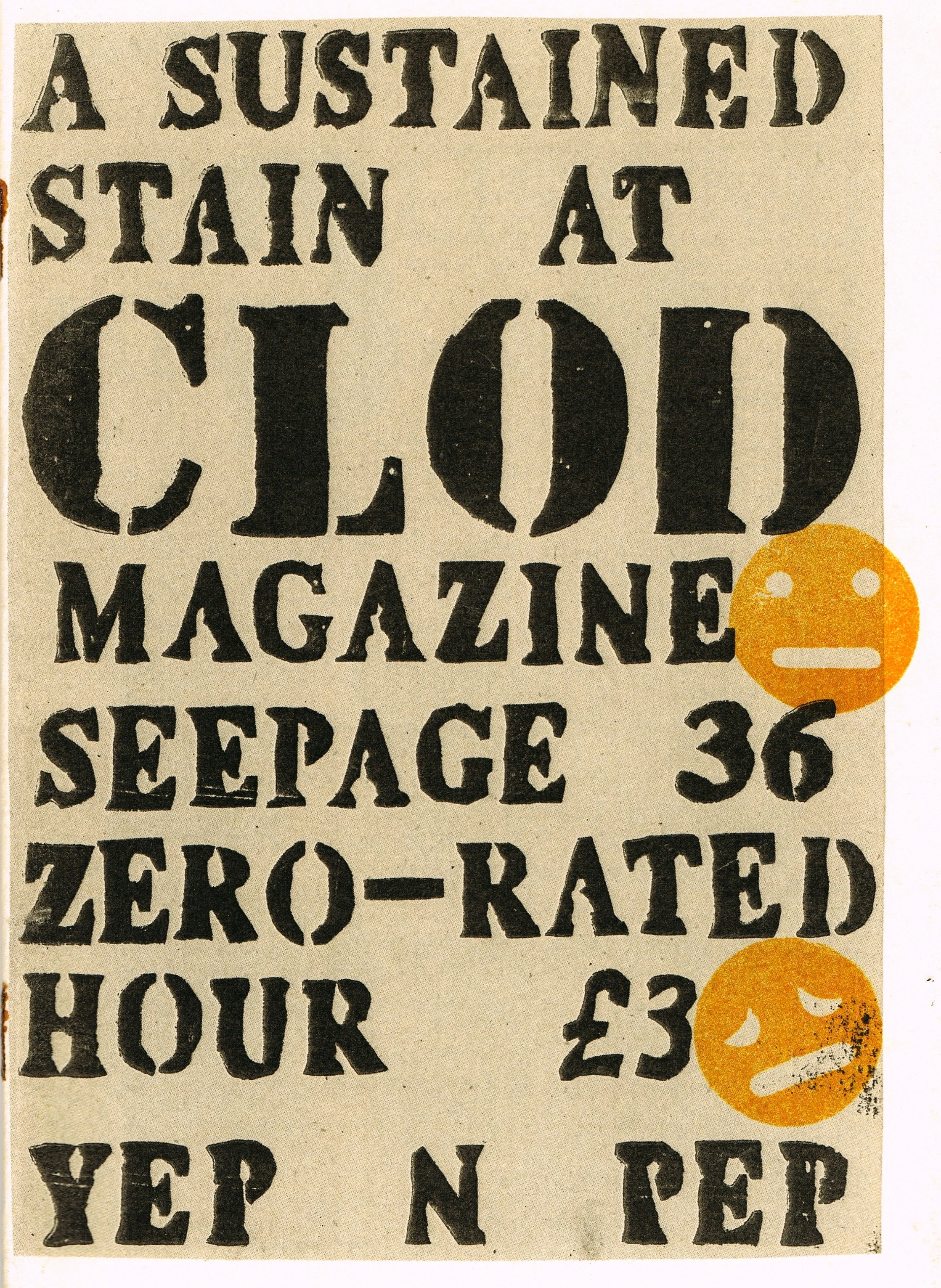
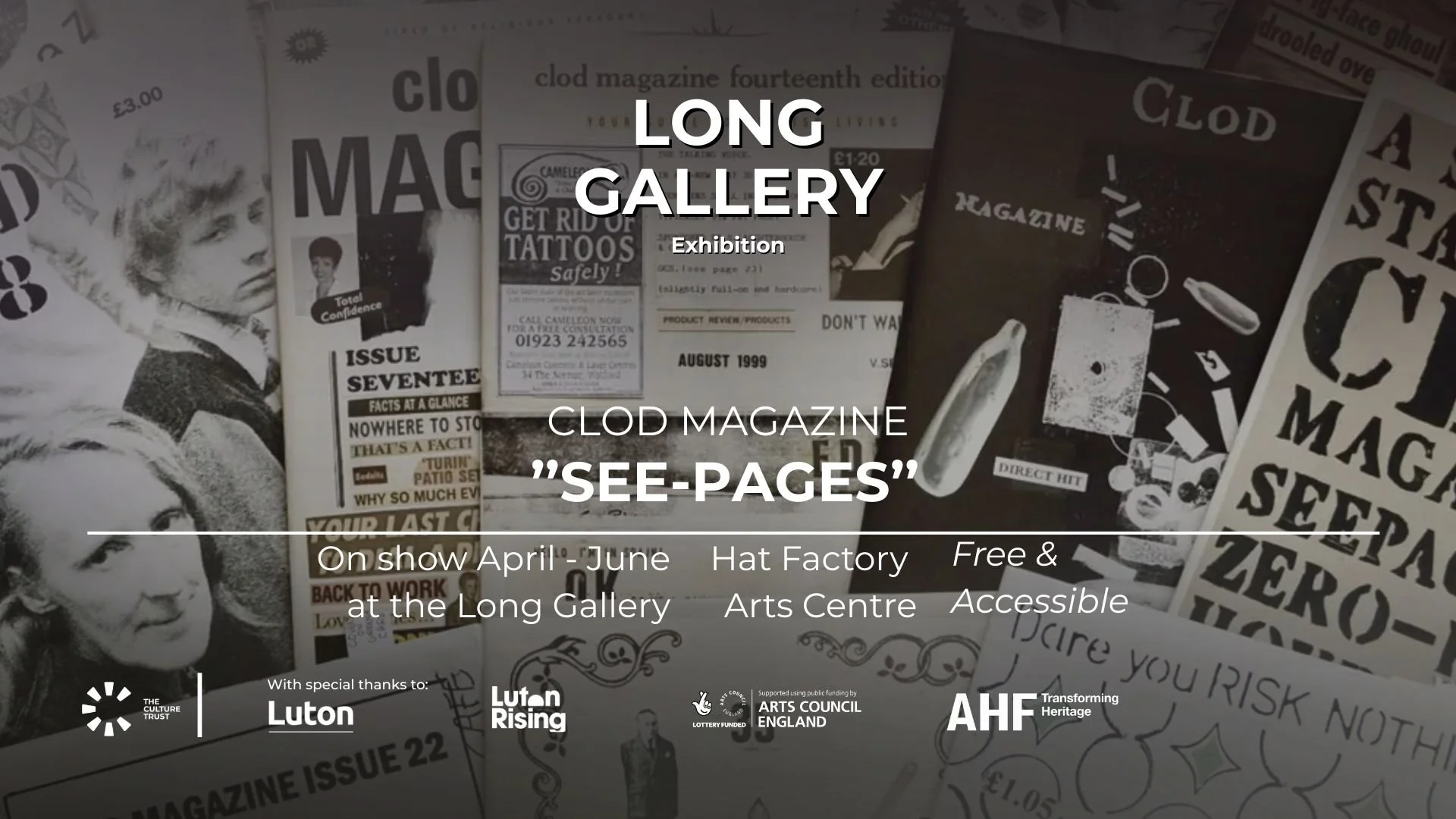
“See-PAGES” exhibition at the Long Gallery, Clod Magazine
‘‘See-Pages’’ Long Gallery exhibition, Clod Magazine
A Guinness World record on most haikus on a town, print and audio archives with the British Library for future generations in the national interest.
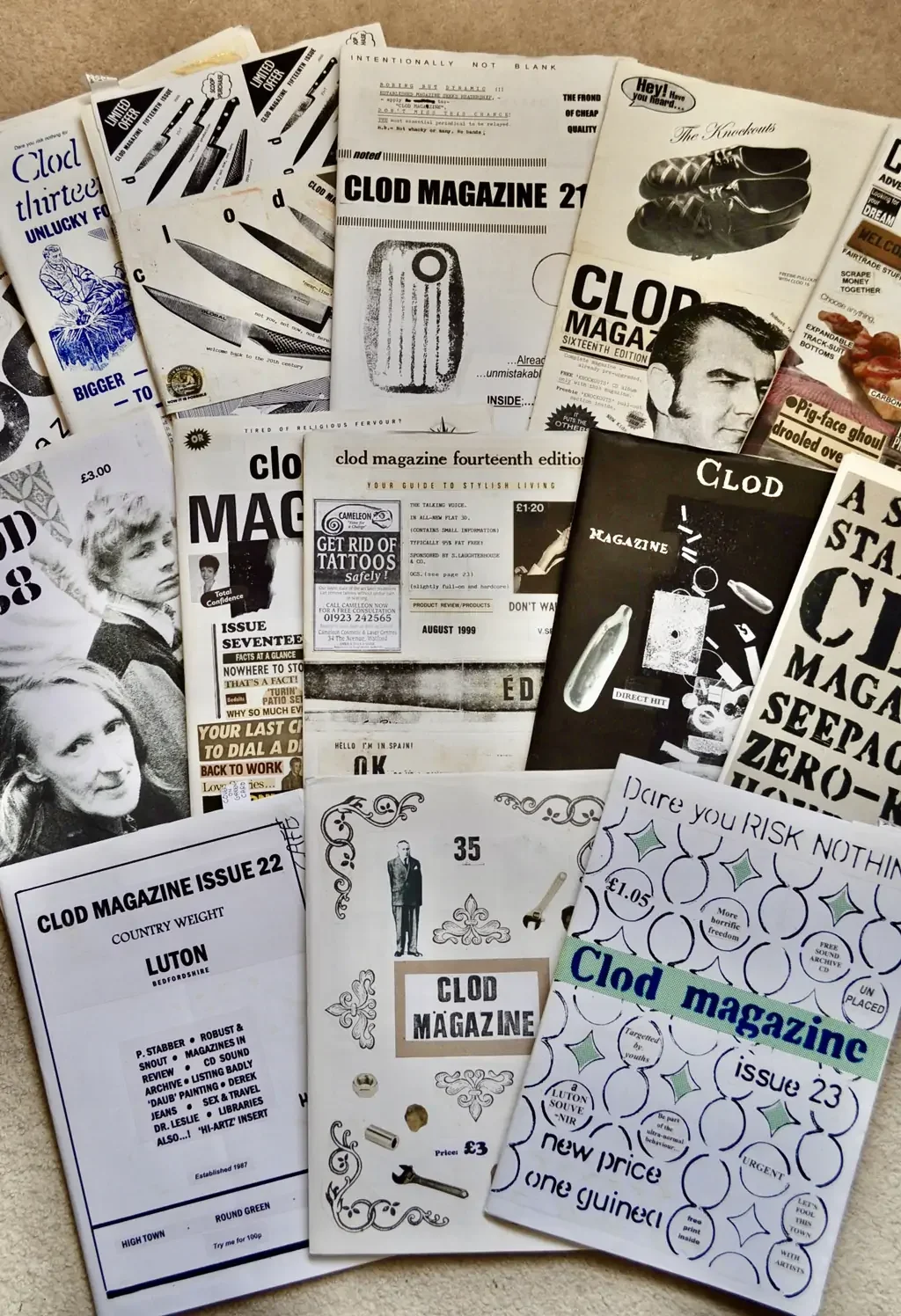
Luton-based publication CLOD magazine stared in the face of their 40th anniversary year, (2027). Witness writing flair of semi-satirical, semi-fictional ‘Clod’ editions, alongside editions of ‘Fold’ magazine, editions of ‘Luton Haiku’ poetry, manifestoes, photo-books and box-sets, kitchen-sink limericks, short stories, compendiums, card-sets, writer blogs, biker blogs, beer blogs, long poetic opuses, etc…
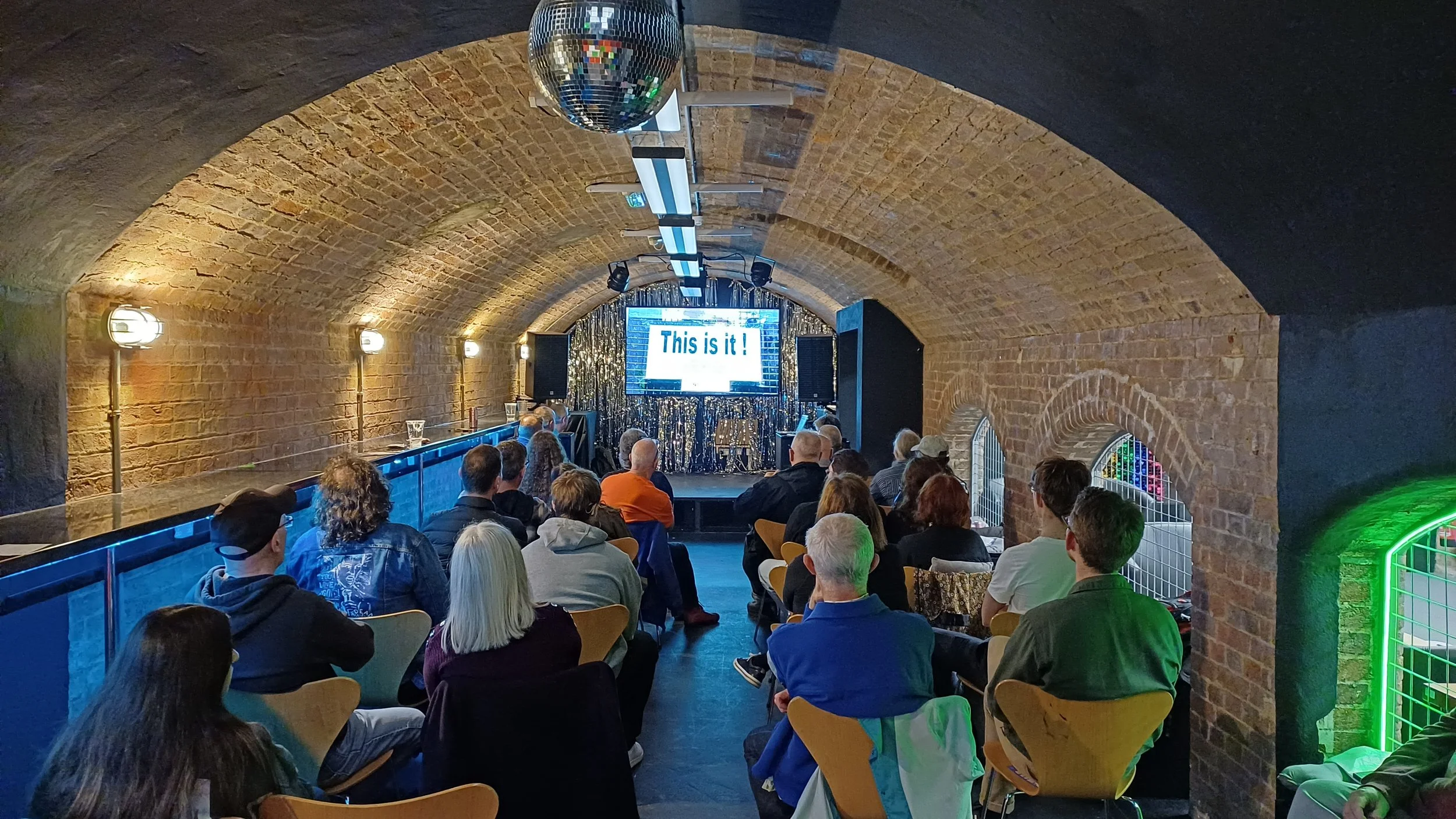
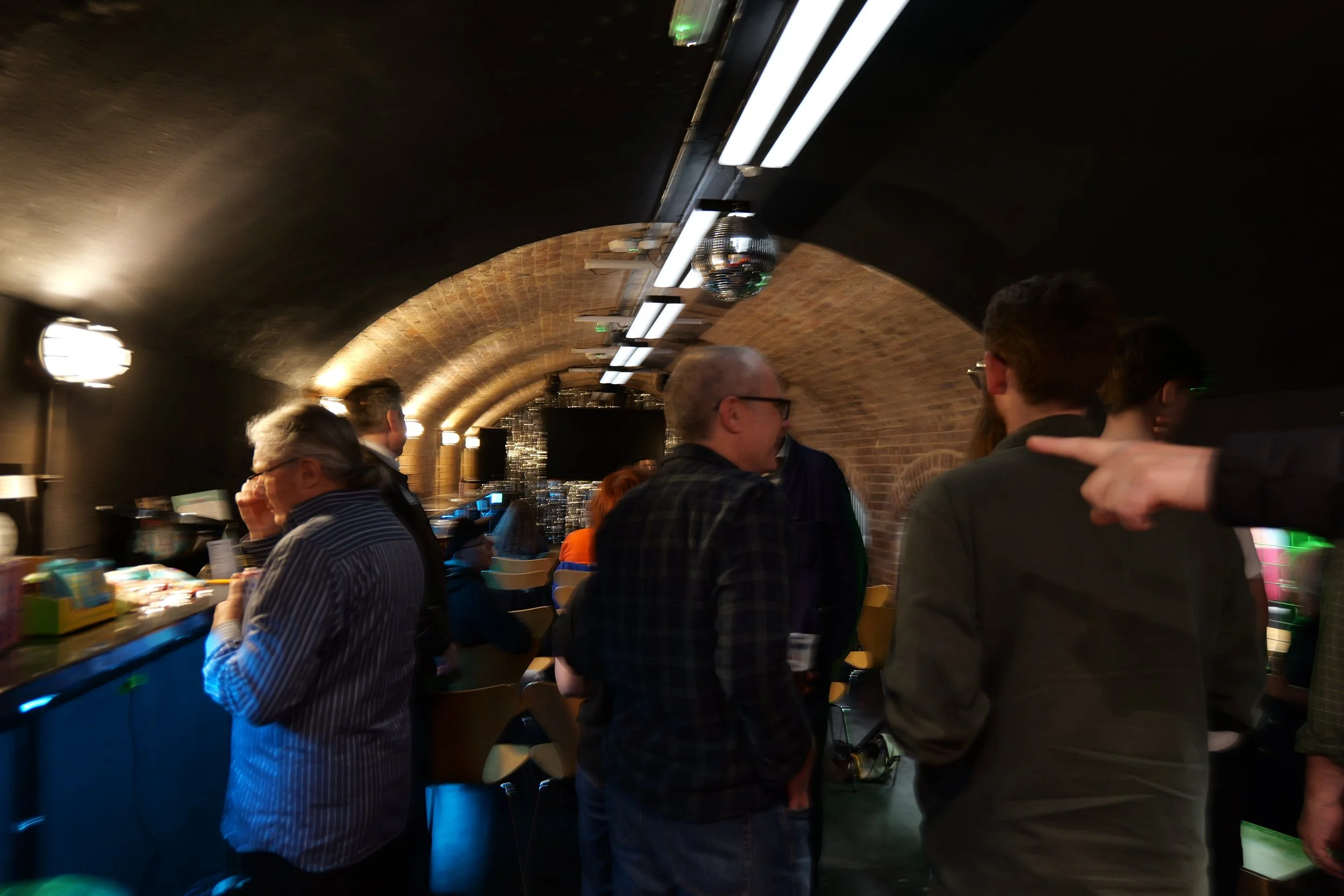
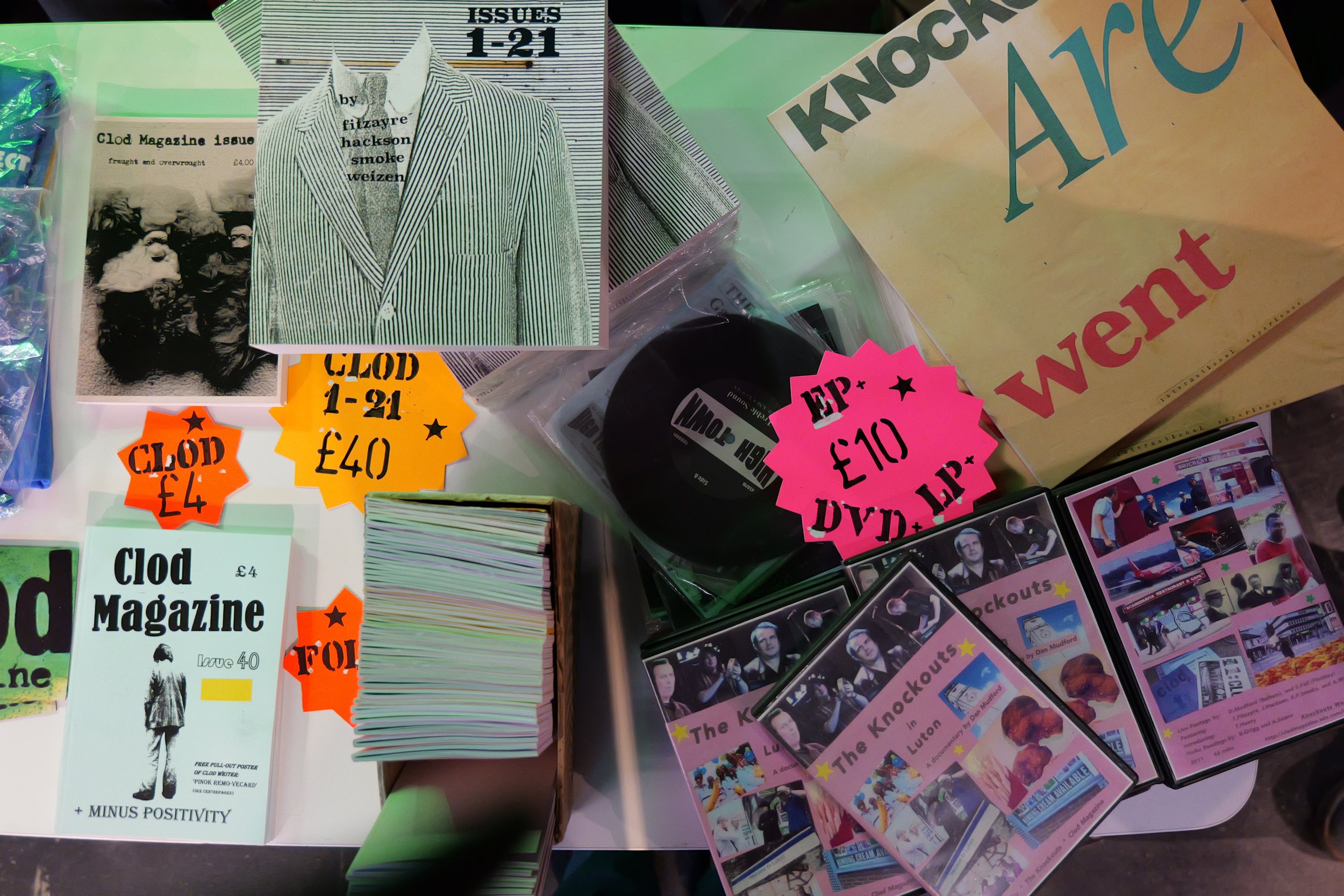
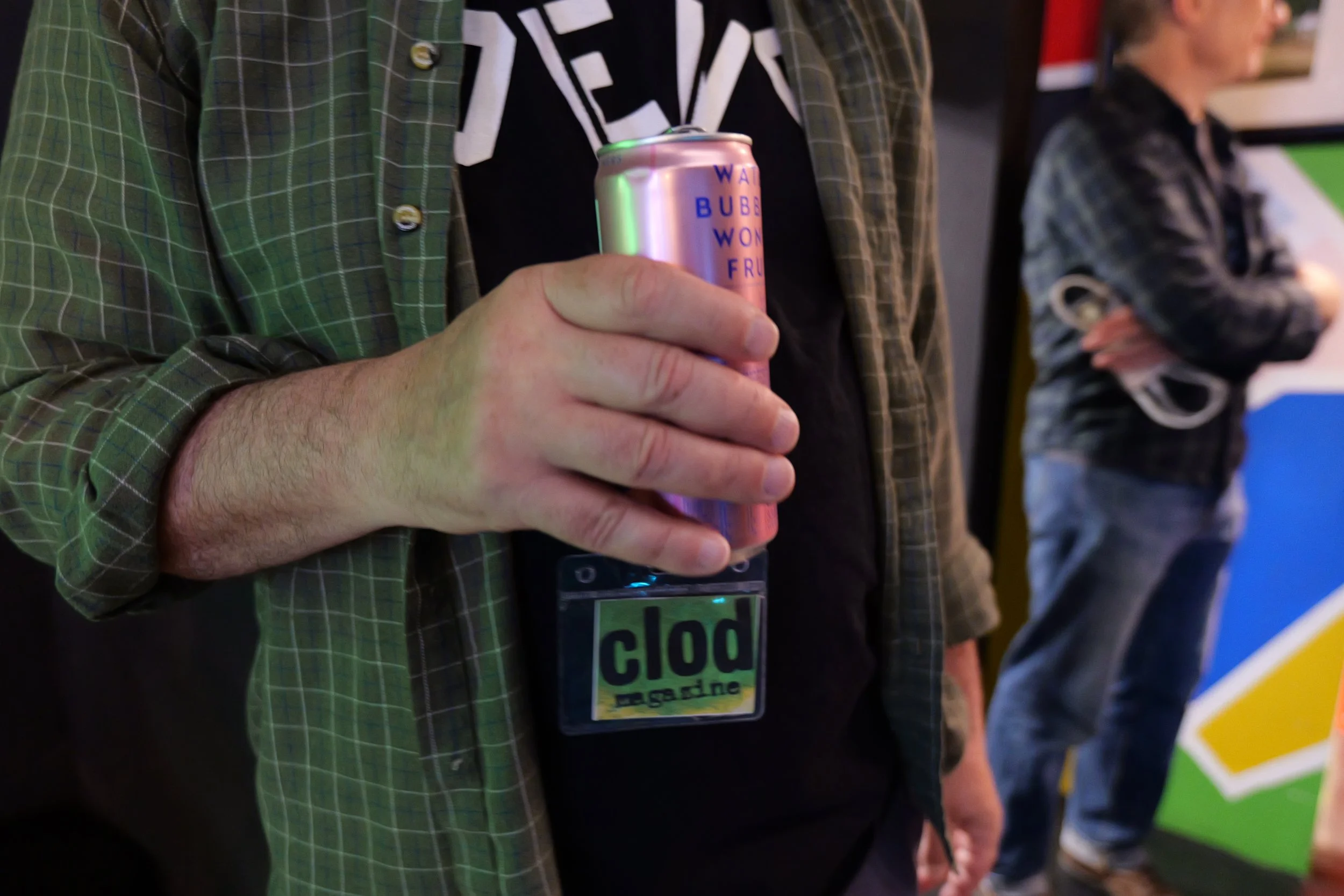
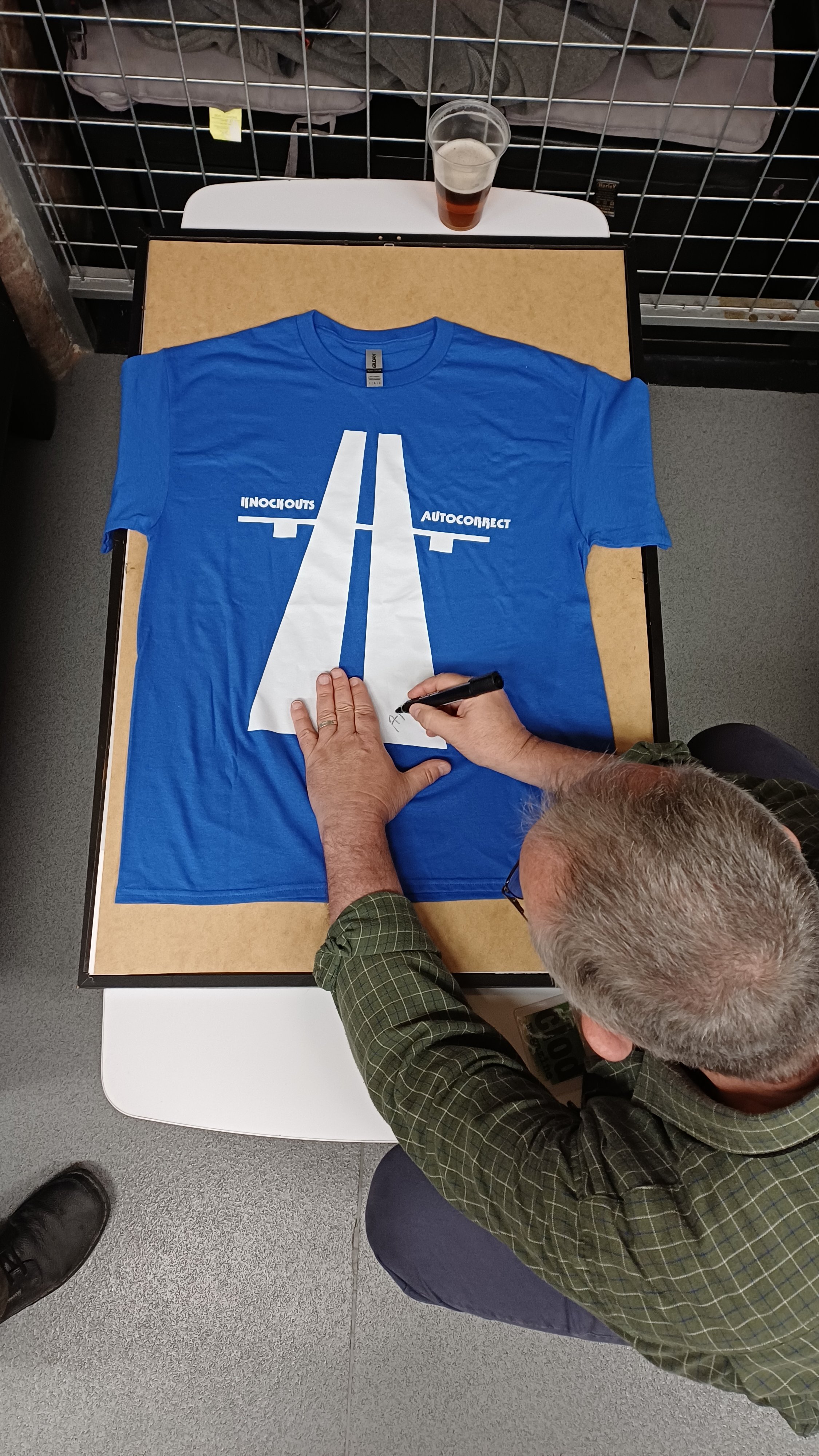
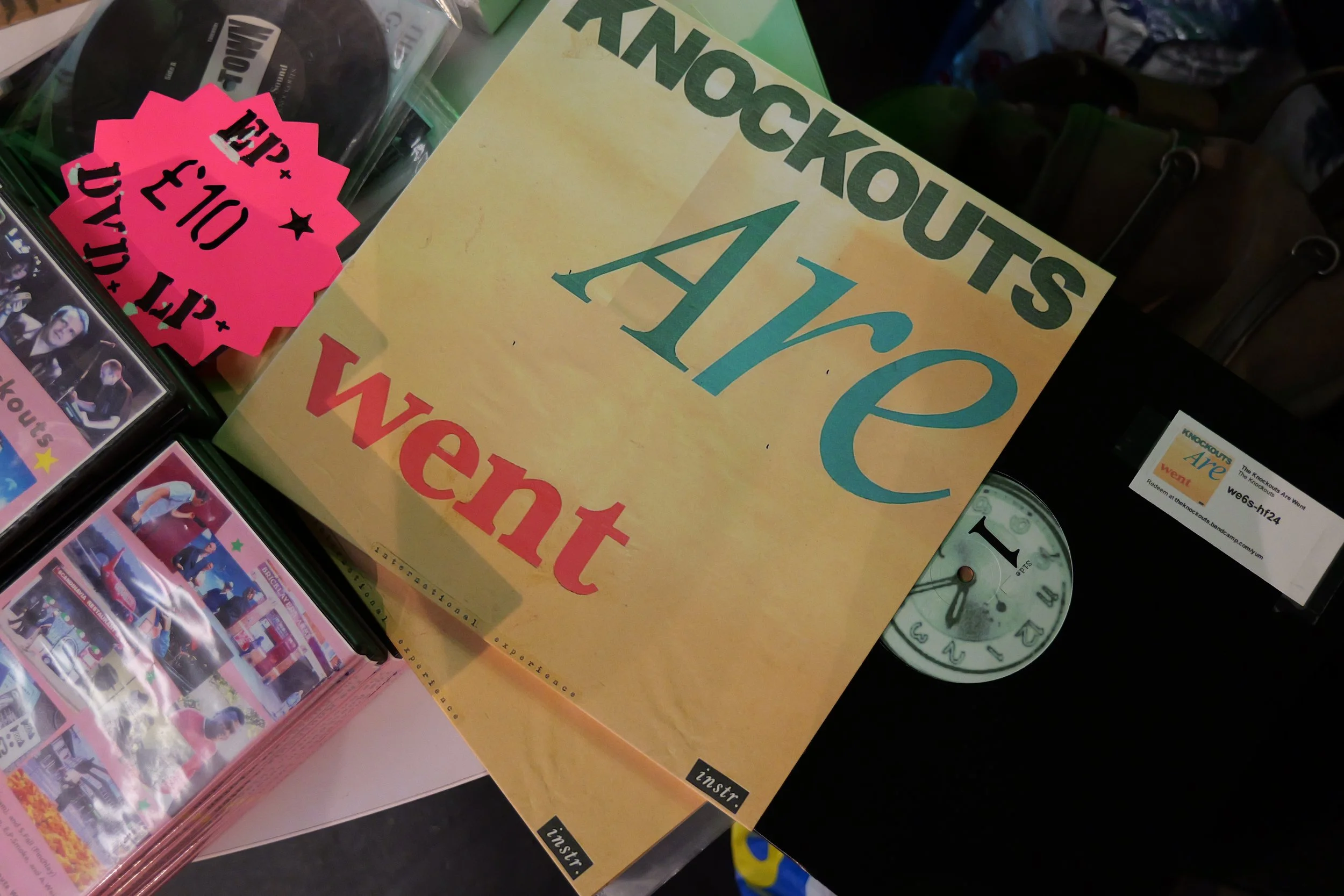
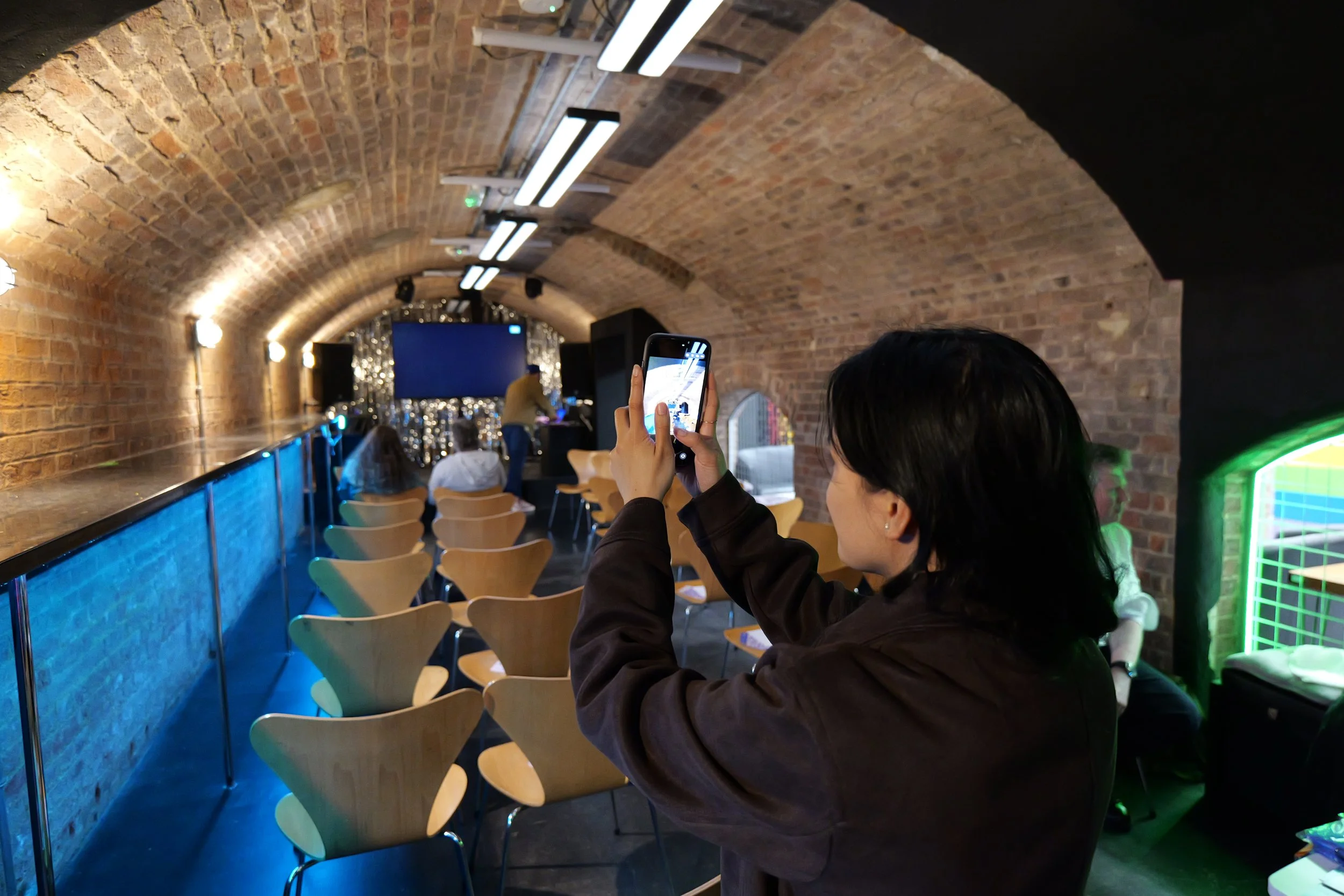
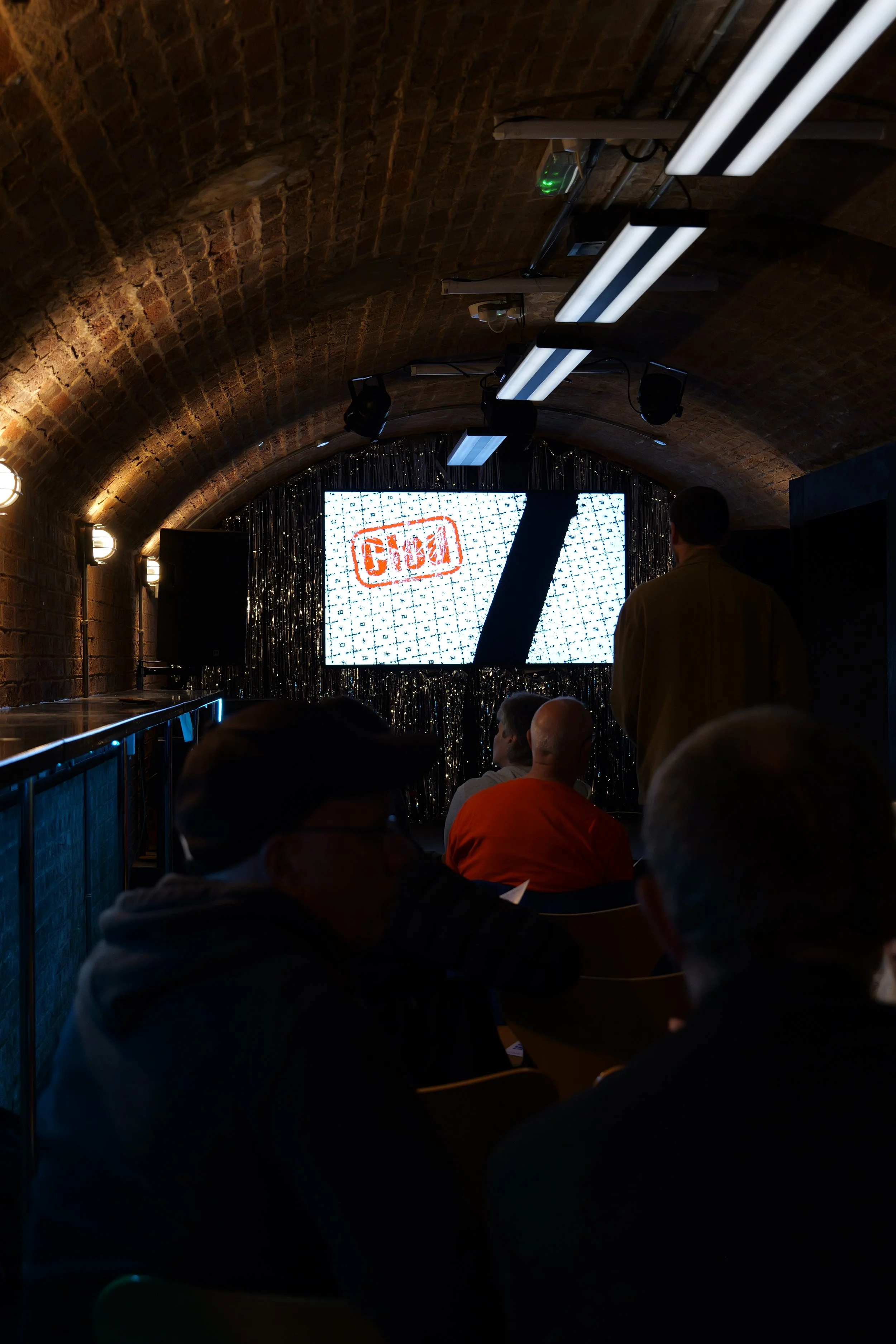
Opening View
📅 Friday 17th April 2026.
🕕 6–8pm
🎟Free entry
Stay on afterwards for the Creative Industry Network networking event, 7–9pm.
Clod magazine are available to ask about independent publishing, with their 40th anniversary approaching!
Meet the Artist
How To Do Magazines Now!
Join Clod Magazine at the Long Gallery for an evening on independent publishing, magazineship, music, notebooks, deadlines, design, success, failure and how to love Luton.
📅 Fri 1 May
🕕 6-8pm
📍 Hat Works, 47 Guildford Street, Luton
🎟 Free entry
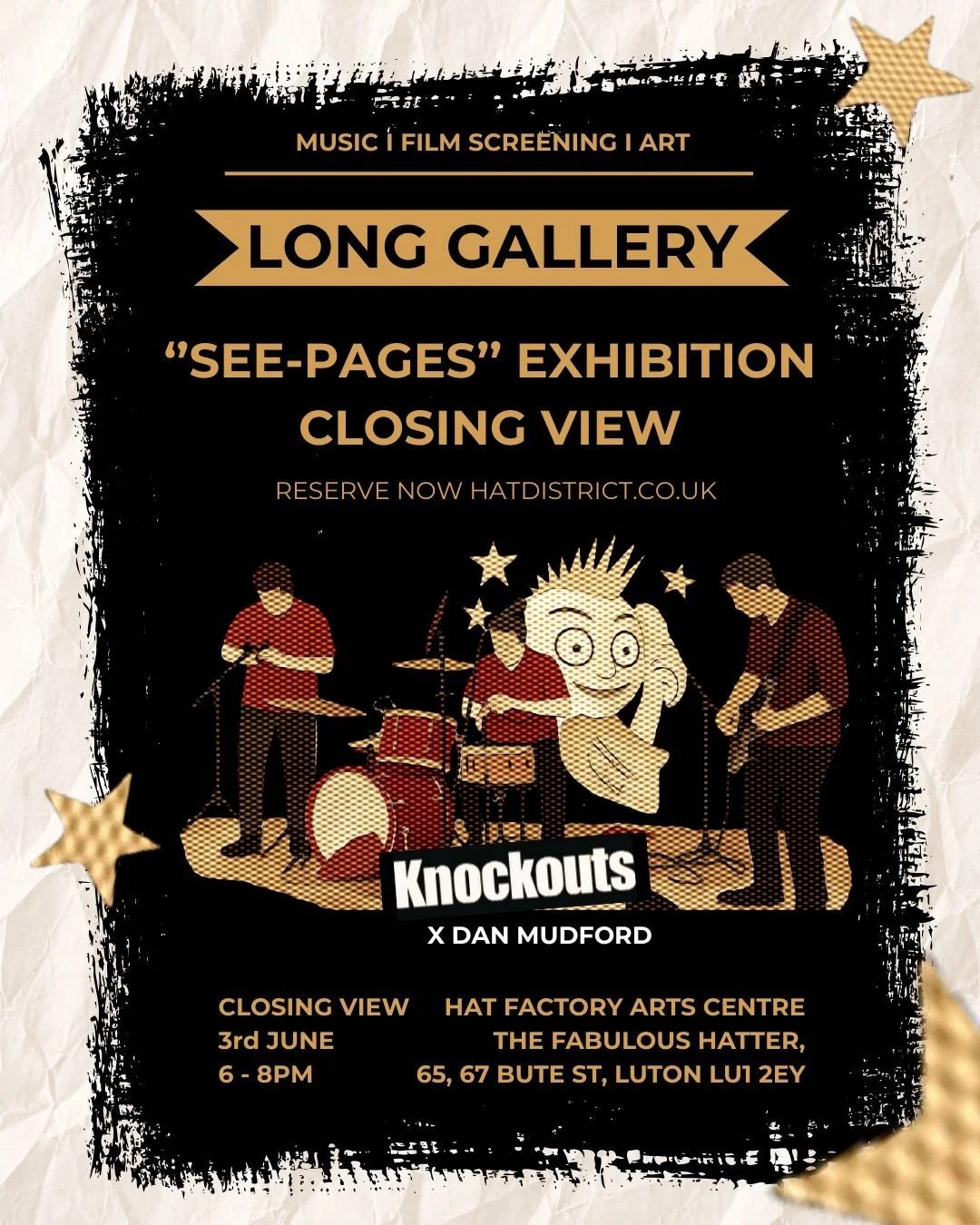
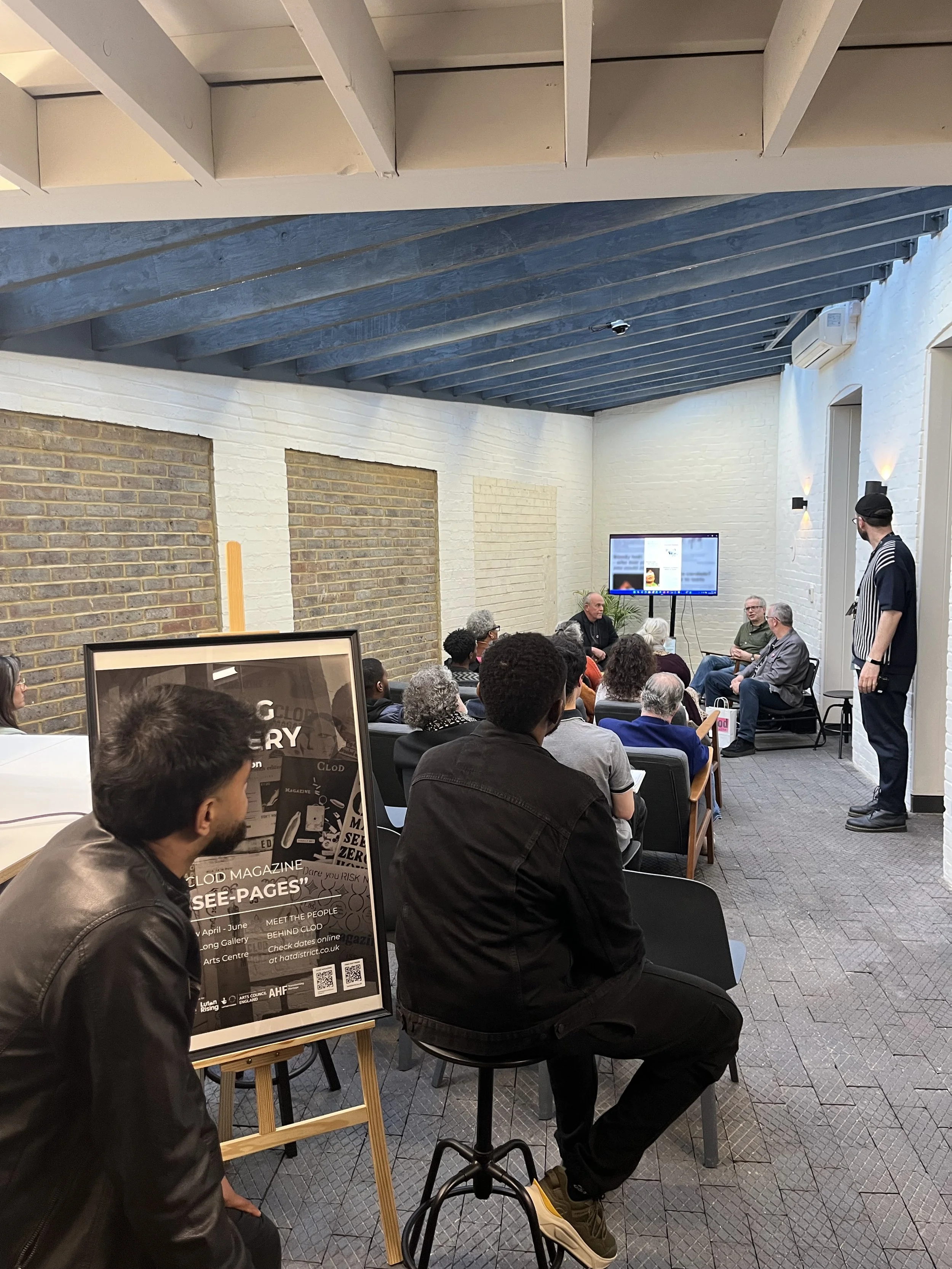
Closing View & Meet the Artists
Turning a chapter of their 40th Anniversary, indulge in a screening of Hometown wanderings, coherent chat, musical interludes and liberal use of the haiku poetic form. Life in one of Britain's least-loved towns as seen through the eyes of four native Lutonians, makers of art, music, magazines and poetry. And they rock.
📅 Wed 3rd June
📍 Hat Factory Arts Centre, The Fabulous Hatter, Luton
🎟 Free entry
ARTIST TALKS
Why did you start clod magazine and how?
Clod began in the Spring of 1987, and the pioneering team of four, (two sets of brothers from Caddington and Slip End), remain the sole contributors to this day.There was a huge network of fanzines around at the time, involving a lot of people who were connected with the post-punk/indie pop music scenes. We ourselves had just started a group, and it was at gigs where multiple independent magazines changed hands. It felt like a natural process to write about music, as we were all working together making records and playing live. However, we soon moved from just music to more general ideas and anecdotes.
Any challenges you experienced?
The only challenges we had at the start concerned which works photocopier should we use to print our early editions. Stealing photocopies was obviously an entirely ‘free' phenomenon, which I guess is what ’theft’ is? But our bosses never suspected.
We went to a lot of gigs, so our distribution network was already in place. Many writers, including future music journalists and broadcasters, sold their publications in pubs and venues, often from carrier bags and (in our case) a violin case.
Things were cheaply made and easily sold. Most people, including us, were working, or on the dole, and consequently these various labours of love were entirely 'self-funded’ enterprises.
What would you like the impact to the community to be?
We didn’t particularly concern ourselves with the impact of our magazine. We wanted people to read it, but any connection with our readers would evolve naturally and gradually.
We were effectively members of an independent music community, which was a scene that opened wider the more touring we did. Community impact seems to be a more modern concern, especially in terms of projects which require updates for sponsors/funding organisations.
Any opportunities available? (submissions for local creatives to be featured in mag)
Our magazine “Clod” is a 'closed shop' when it comes to the writers who work on it. It's the same four of us contributing today, as on the very first day. Clod has become a distilled brew, with the four of us creating dozens of pseudonyms, and writing from the point of view of multiple ‘characters’. In this sense we are at least ‘fictionally’ diverse, creating a ‘fictional’ magazine.
We do encourage collaborations in our ’sister’ editions (called “Fold”). Fold magazines are petite, but broad and idiosyncratic. If someone has an interesting idea that we don’t hate, then it might well end up as a Fold edition, of which there are at least 19 volumes).
Future works/ what you would like to do/explore more?
In terms of the future, we just keep on with doing the present and past. Clod has regular features and new features. Some come and go, then re-emerge later. A friend has reassured us that rather than retire it is "easier to just keep going”. Rest assured, there are lots of Clod editions, Fold editions and other tangental/off-shoot publications still in the pipe-line.
Visit the Long Gallery at the Hat Factory Arts Centre.
Delivered through the Creative Industry Network.
#Seepages #HatFactory #LutonCreatives #lutonExhibition #Creative #publisher